

Installing a rooftop solar system is a powerful step to save energy and costs but here is a thing that nobody tells you – the savings, the energy generation, the net output per day, everything keeps on reducing with time!
The real savings come only when your system performs at its best.
Over time multiple factors can steal up to 30% of your solar efficiency without you even realizing it.
In India’s dusty, high-temperature conditions, regular solar maintenance isn’t optional — it’s essential.
In this guide, we’ll break down why cleaning your solar panels matters, the most common problems to watch for, and simple, practical steps to keep your panels shining and your savings strong for decades.
Solar Efficiency - Solar efficiency simply means how much sunlight your solar panels can convert into usable electricity. The higher the efficiency, the more power your system produces from the same amount of sunlight

Why Is Maintenance Of Solar Panels Necessary?
Solar rooftop systems are designed to last 20-25 years with optimum performance but dust, bird waste, extreme heat, and even bad wiring can drop efficiency of systems by 20-30%.
In countries like India with relatively high air pollution and overall dust levels, solar panels require cleaning and inspection far more often than other countries around the world which also indicates that choosing a reliable solar company is super important.
Regular maintenance probably ensures that your system do what it is supposed to and likely save you on electricity.
Common Problems in Rooftop Solar Systems
Dust and dirt can accumulate on solar panels, giving significant loss of solar energy if panels are not routinely cleaned.
Bird droppings and leaves can create 'hotspots' that damage solar cells.

Wires, connections, and terminals can loosen: Over time, the cables and connections to solar panels can also loosen due to wear and tear, leading to electricity loss.
Inverters can fail: The inverter is the brain—the heart of a solar energy system— and must be monitored.
Adjacent construction also reduces solar generation.
Steps You Can Take for Your Solar Rooftop Maintenance
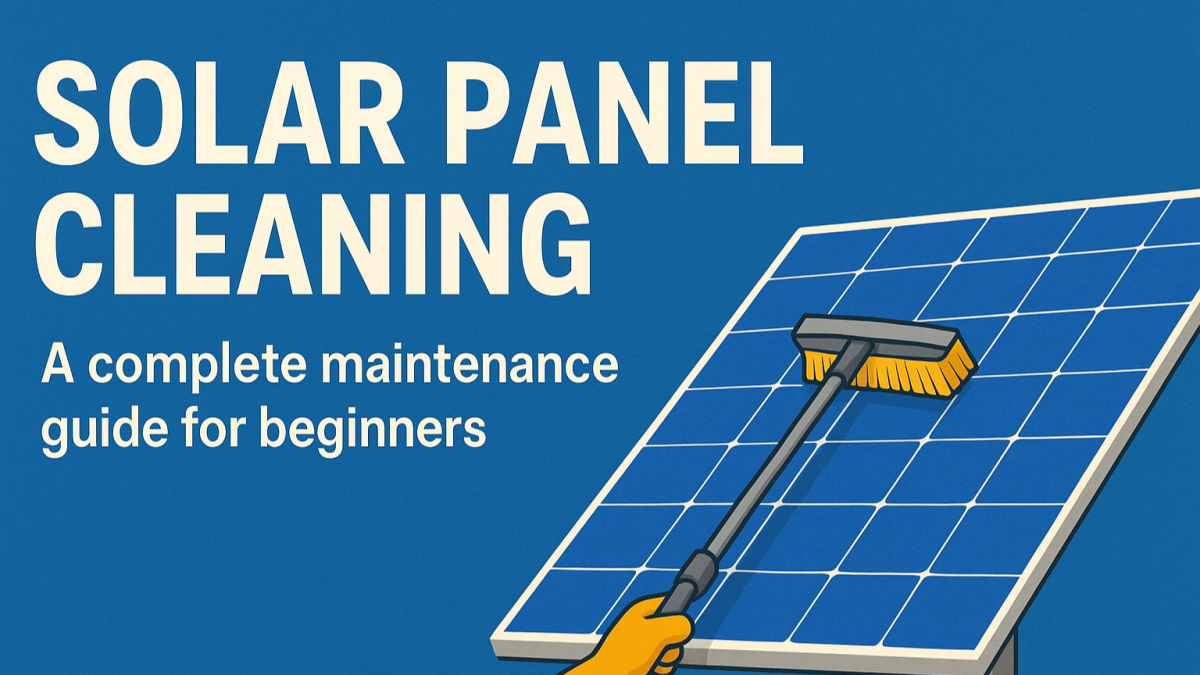
1. Regularly cleaning the solar panels is the single most important maintenance action.
Dust is the single most significant threat to solar efficiency.
If the area you live in is particularly dusty - we recommend cleaning your solar panels approximately every 2–4 weeks.
If you live in a cleaner, low-polluted area you should clean them approximately every 2–3 months.
We recommend using soft brushes, microfiber cloths, or water sprays to loose debris on your panels, but do not use any cloth, brush, or spray that contains abrasives.
It is also best to avoid cleaning during times of peak direct sunlight to prevent damage to the panels from thermal shock (thermal stress could crack the solar panels).
2. Monitor System Performance

The inverter has a monitoring system and some solar EPCs provide a free app to download on your mobile device (that monitors daily energy generation from solar operation).
If you see a significant drop in output or energy generation during peak sunshine hours - it will signal when routine cleaning or a technical inspection is necessary.
3. Yearly Professional Services
We recommend that you engage a trusted Solar EPC service for your yearly maintenance activity.
They will check the electrical wiring, earthing, and inverter performance, and ensure that all the solar panels are correctly aligned.
Professional inspection will catch minor issues in your solar system before you incur large repair bills.
4. Prevent Birds from Nesting or Polluting
Installing bird guards, netting, or spikes will help prevent pigeons from nesting under your solar panels.
This helps decrease the potential of droppings accumulating on your panels and simultaneously damaging wiring.
5. Keep Surrounding Clear
Keep the trees cut back regularly enough to prevent shading of your solar panels.
If construction is taking place nearby, be sure it does not block the sunlight or established debris on your system.
6. Weather Damage - Be Prepared
During monsoon season, inspect water pooling on rooftops as this may damage wiring.
Following other storms, be sure to check your panels for any cracked or loose panels.
7. Inverter Maintenance
Inverters typically need to be replaced every 8 to 12 years.
Be sure they are maintained in a cool, well-ventilated, shaded area to avoid overheating.
8. Battery Maintenance
For systems that have batteries, check water levels and charge cycles.
You should also maintain records of your panel and inverter warranty period so you can make a timely claim for support.
Future of solar maintenance in India
With India's 500 GW renewable energy target by the year 2030, solar will continue to be taken on as new resident and commercial owners enter the solar world.
Technological changes like self-cleaning panels, AI-based conditioning monitoring systems, smart sensors and robotic cleaners are licensing owners to take their roofs to the least expensive maintenance option.
Still, when looking at nearly all homeowners, and even small summary commercial owners, regular manual cleaning and thorough inspecting once per year remains the most reasonable for the majority of situations.

Frequently Asked Questions (FAQs):
1. How often should I clean my solar panels?
It depends on your location and environment. In most areas, cleaning every 4 months is ideal.
If you live near the coast, in dusty regions, or panels lies under trees where bird droppings are common, you may need to clean them every 2–3 months.
Check your monitoring system regularly — a sudden dip in performance usually signals it’s time for cleaning.
2. Can I clean my solar panels myself, or should I hire professionals?
You can safely clean your panels yourself if they’re easily accessible and you follow proper precautions (turn off the system, use soft brushes, and avoid walking on panels).
However, if your panels are roof-mounted, high up, or show signs of damage, it’s best to hire professionals to avoid accidents and preserve your warranty.
3. Does rain clean solar panels effectively?
Light rain helps remove some dust, but it’s not enough to keep panels truly clean.
Just like a car windshield, rain often leaves behind dirt, mineral deposits, or bird droppings.
Think of rain as a rinse — not a full wash. A manual or professional clean every few months keeps performance high.
4. How can I tell if my solar panels need maintenance?
Watch for these signs:
- Drop in power output or energy bills
- Inverter warning lights or error messages
- Visible dirt, shading, or damage
- Cracks or corrosion - If you notice any of these, schedule a cleaning or inspection as soon as possible.
5. What is the average lifespan of solar panels with proper maintenance?
Most solar panels last 25 to 30 years — sometimes longer.
Regular cleaning, prompt repairs, and annual inspections help maintain efficiency and prevent premature wear.
Well-maintained systems can retain up to 90% of their original output even after two decades.
6. Will cleaning my solar panels void the warranty?
No — as long as you follow the manufacturer’s maintenance guidelines.
Avoid using harsh chemicals, pressure washers, or abrasive tools, and never tamper with wiring or electrical components.
If unsure, check your warranty terms — some manufacturers even require regular cleaning and documentation to keep the warranty valid.
7. Do I need to turn off my solar panels before cleaning them?
Yes. Always turn off your solar power system before cleaning.
This ensures your safety and prevents electrical damage.
Most systems have a main disconnect switch or a breaker.
Understand the methodology to safely turn off and turn on the system from the Solar contractor for clarity. After cleaning, wait for panels to dry before turning the system back on.
Concluding Thoughts
Rooftop solar systems are not difficult to maintain but do require regularity. A solar roof system that is well-maintained will yield:
- Higher performance
- Increased useful life of equipment
- Lower energy costs
- A higher ROI
Simply cleaning the system, intermittently checking for performance, and having the service provider come out for an inspection once per year will keep the rooftop solar system operating at optimal capacity for years that follow.
As the uptake of solar continues in India, growing reliable maintenance services are also being developed.
Determining whether you own a residential dumpy, or own your solar system as a business, will be much easier to gain the benefits of a renewable energy strategy if you plan on maintaining your solar system.
If you choose Sparq Enertech as your Solar EPC contractor, we will make sure to provide world-class service so you can relax and keep counting your savings!
Maintenance Checklist
And finally here is your checklist to keep track of all important things which going through your routine checkup.